

TL;DR
- OpenAI's "Make this chat discoverable" checkbox let thousands of ChatGPT conversations get indexed on Google
- Sensitive data exposed: resumes, API keys, business plans, personal confessions with real names attached
- OpenAI added noindex tags and asked Google to remove the pages. Google complied.
- But 100,000+ chats were already archived on Internet Archive before the fix
- OpenAI hasn't asked Archive.org to remove them. They're still there. Searchable. Permanent.
It all started with something simple: a "Share" button
When OpenAI let people share ChatGPT conversations publicly, it probably felt like a helpful feature. You click, get a clean link, and show off a cool prompt or funny exchange.
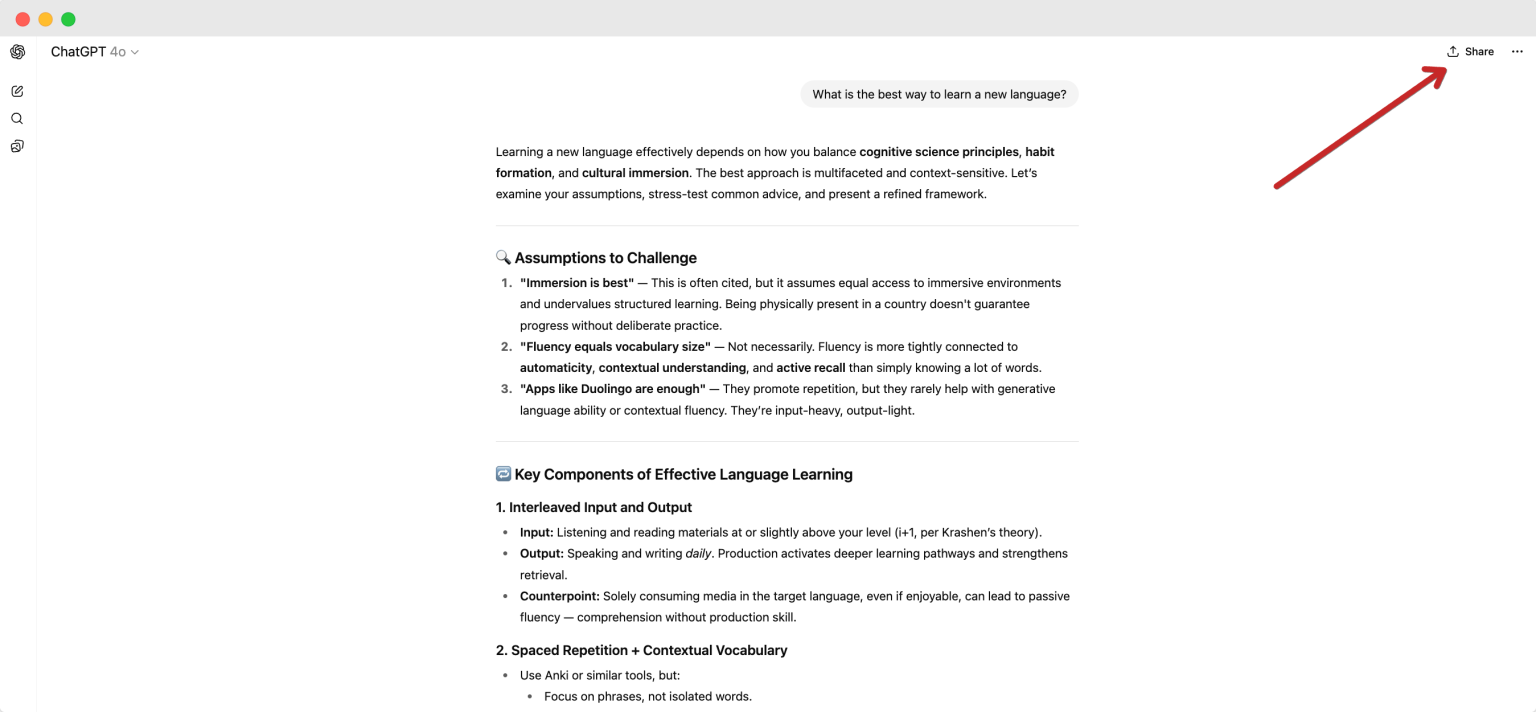
But tucked behind that button was a small checkbox. "Make this chat discoverable." And that changed everything.
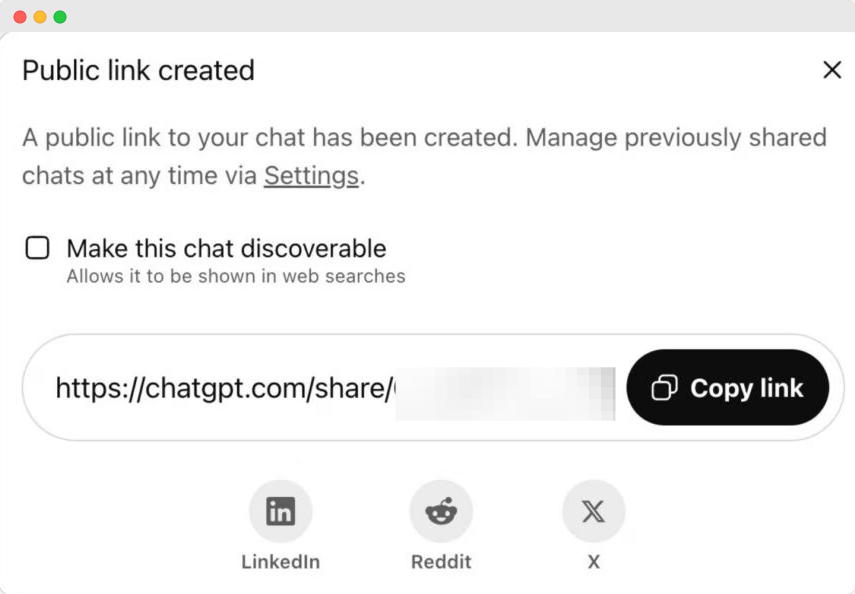
People clicked without fully thinking it through. And just like that, thousands of ChatGPT chats ended up in Google search results. These weren't private links anymore. They were public pages, visible to anyone. Some were harmless. Many were not.
Some chats revealed resumes and job applications. Others included internal business plans, sensitive political views, confessions of cheating on academic work, or deeply personal struggles. Real names were attached. Real people were exposed. And for a moment, all of it was searchable on Google.
Tahir Naqash shared in a tweet that even API keys and developer prompts were showing up in search results:
Pete Sena illustrated the issue in real time, sharing Google searches that surfaced deeply personal ChatGPT conversations directly from OpenAI's domain:
Fast Company caught it early. SEO folks and digital sleuths found even more. OpenAI moved quickly. They added noindex and nofollow tags to shared chat pages and asked Google to remove them. And credit where it's due, Google responded. Tens of thousands of links disappeared from search results.
OpenAI's Chief Information Security Officer confirmed on X that the feature had been removed.
But the damage was already done
Because Google isn't the only place where information lives. By the time OpenAI fixed the indexing issue, a massive chunk of those shared chats had already been saved by the Internet Archive.
More than 100,000 of them, according to researchers Henk van Ess and Nicolas Deleur. Archived in full. Searchable. Permanent:
And here's the kicker: Archive.org says OpenAI hasn't asked for any of them to be removed.
Mark Graham, the director of the Internet Archive, responded to van Ess's inquiry by saying that if OpenAI requested the removal of chatgpt.com/share URLs, they would likely honor it. But so far, OpenAI hasn't made that request.
That opens up a mess of questions
- Who actually owns a ChatGPT conversation once it's shared?
- Should OpenAI protect users who didn't fully realize what they were sharing?
- What if some users do want their chats preserved? Whose rights matter more?
And maybe the biggest question of all: Should we really be rolling out public sharing features without making people understand what they're exposing?
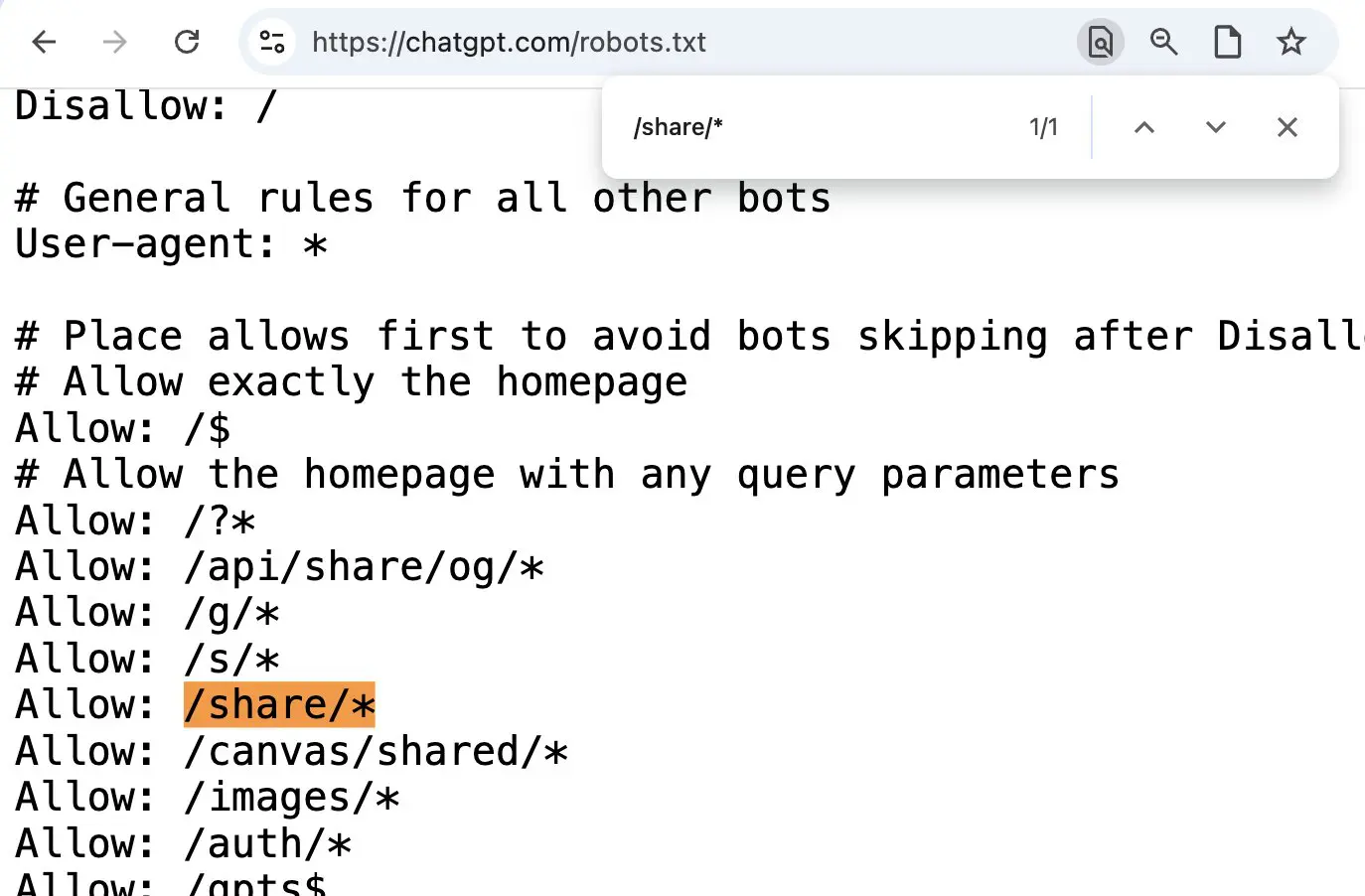
Even now, OpenAI's robots.txt file technically still lets search engines access /share/*. That no longer leads to indexing because of the new meta tags, but it's a reminder of how easy it is to overlook details that can expose real people.
This isn't a hit piece on OpenAI. The truth is more complicated. We're all playing catch-up with the speed of these tools. ChatGPT makes it easy to forget that what feels like a private conversation can, with a single click, become a published page.
That's what happened here. People didn't think "Share" meant "make this searchable forever." But it did. And the internet doesn't forgive.
Google may have erased the footprints, but many of these full chats are still sitting in Archive.org. They're not gone. They're just somewhere else.
And the fix? It's simple. All OpenAI has to do is ask.
But for now, those chats are still out there. Waiting.
Behind the Story
This article began as a simple SEO curiosity. We were trying to understand how shared ChatGPT pages were ranking on Google. What followed was something deeper: a dive into data permanence, ethical design, and how platforms shape what we expose online. What started with search rankings ended up raising questions about responsibility, privacy, and the architecture of the internet itself.
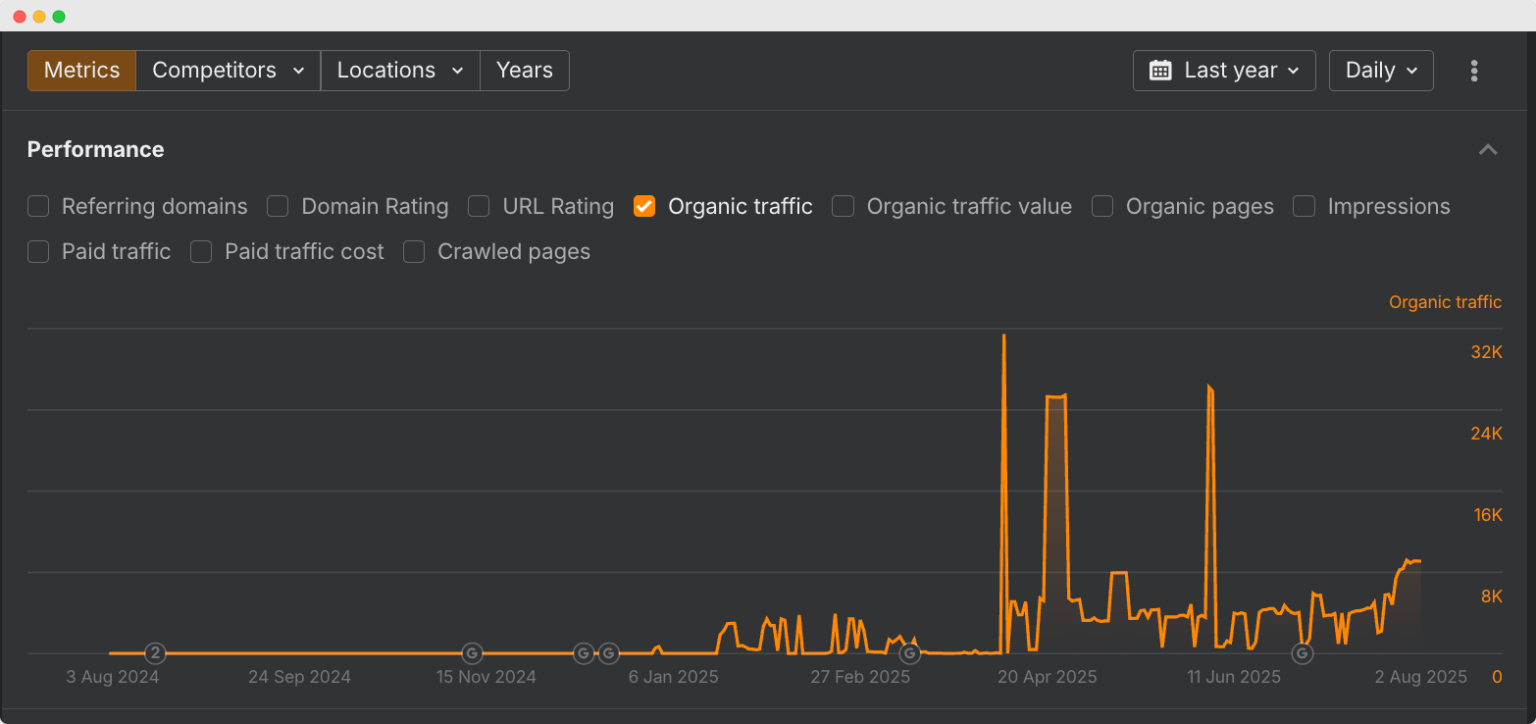
Ahrefs data captures a rise in organic traffic to ChatGPT shared pages just before OpenAI took action. The chart shows a sharp rise followed by a sudden drop:
What SEO and Product Teams Should Take From This
This wasn't just a privacy glitch. It shows how product, UX, and SEO can combine in ways that quietly expose people. Here's what's worth remembering:
It wasn't a bug: The "discoverable by search engines" box was intentional. But it was treated like a small setting when it should've been a high-friction decision.
Most users aren't SEOs: They weren't thinking about indexation, scraping, or search visibility. The product didn't help them pause and consider the risk.
It needed friction: That checkbox should've been hidden under advanced settings, with a second confirmation or stronger language about what "discoverable" really means.
No visibility, no control: Users didn't get alerts, traffic stats, or any notice that their chat was now public and indexed. There was no way to revoke, expire, or even monitor exposure.
Related Articles
ChatGPT's Favicon Is Missing from Google
The world's most-used AI tool looks like a phishing site in search.
ResearchClaude Source Code and AI Visibility
What leaked Claude artifacts reveal about AI content processing.
SEOBreaking SEO Best Practices
I invented the LLM Sitemap. SEO tools flag it as an error. Crawlers love it.

Yuval Halevi
Helping SaaS companies and developer tools get cited in AI answers since before it was called "GEO." 10+ years in B2B SEO, 50+ cybersecurity and SaaS tools clients.